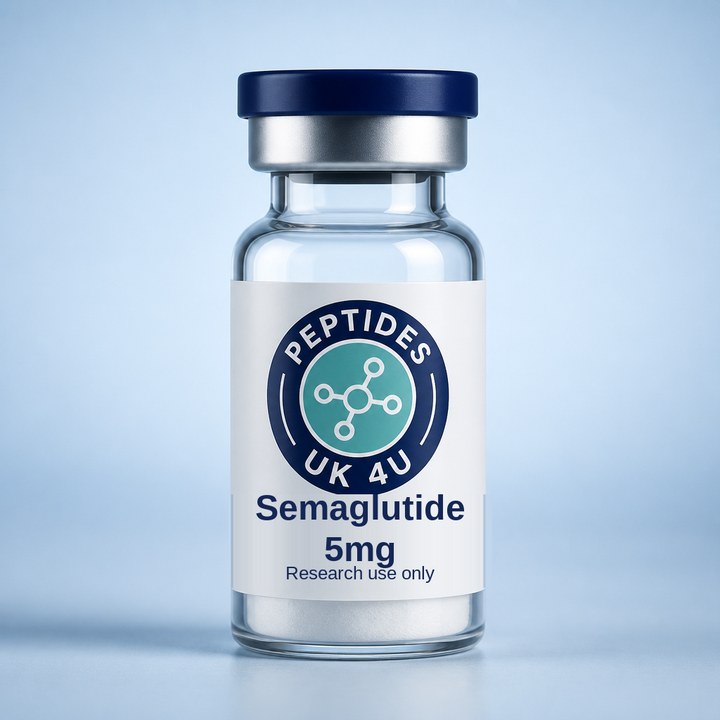
Semaglutide is a GLP-1 receptor agonist utilized for chronic weight management and glycemic control. It is typically dosed via gradual weekly subcutaneous injections, starting at a low dose and increasing over several weeks to improve tolerance and effectiveness.
- Approved for chronic weight management and glycemic control.
- Extended half-life allows once-weekly dosing.
- Gradual dose escalation minimizes gastrointestinal side effects.
- Requires reconstitution with bacteriostatic water.
- Significant weight loss (10-15%) observed in clinical trials.
Reconstitution
Vial strength
5 mg
Bacteriostatic water
2 mL
Concentration
2.5 mg/mL
1 unit = 0.01 mL = 25 mcg (U-100 syringe)
- 1Draw 2.0 mL of bacteriostatic water with a sterile syringe.
- 2Slowly inject the water down the inner wall of the Semaglutide vial to prevent foaming; avoid shaking.
- 3Gently swirl or roll the vial until the peptide powder is completely dissolved.
- 4Label the vial with the date of reconstitution and store it in the refrigerator at 2–8 °C (35.6–46.4 °F), away from light.
- 5Ensure the reconstituted solution is used within 28 days to maintain potency and safety.
Dosing schedule
| Phase | Dose | On a U-100 syringe |
|---|---|---|
| Weeks 1–4 | 250 mcg (0.25 mg) | 10 units (0.10 mL) |
| Weeks 5–8 | 500 mcg (0.5 mg) | 20 units (0.20 mL) |
| Weeks 9–12 | 1000 mcg (1.0 mg) | 40 units (0.40 mL) |
| Weeks 13–16 | 1700 mcg (1.7 mg) | 68 units (0.68 mL) |
| Weeks 17+ (Maintenance) | 2400 mcg (2.4 mg) | 96 units (0.96 mL) |
Protocol detail
| Weeks 1–4 | 250 mcg (0.25 mg) once weekly to assess initial tolerance. |
|---|---|
| Weeks 5–8 | 500 mcg (0.5 mg) once weekly. |
| Weeks 9–12 | 1000 mcg (1.0 mg) once weekly. |
| Weeks 13–16 | 1700 mcg (1.7 mg) once weekly. |
| Weeks 17+ (Maintenance) | 2400 mcg (2.4 mg) once weekly, which is the target maintenance dose. |
Overview at a glance
| Goal | Support chronic weight management by activating GLP-1 receptors, leading to reduced appetite and improved metabolic markers. |
|---|---|
| Schedule | Weekly subcutaneous injections with a gradual dose increase over 16 to 20+ weeks. |
| Dose Range | 250 mcg (0.25 mg) to 2400 mcg (2.4 mg) weekly, with stepwise increases every 4 weeks to enhance tolerability. |
| Reconstitution | Add 2.0 mL of bacteriostatic water to a 5 mg vial, yielding a concentration of approximately 2.5 mg/mL for precise unit measurements with insulin syringes. |
| Storage | Lyophilized powder should be frozen at -20 °C (-4 °F). Once reconstituted, store refrigerated at 2–8 °C (35.6–46.4 °F) and use within 28 days. Avoid freezing and thawing multiple times. |
How it works
Semaglutide, an analog of human GLP-1, works by binding to GLP-1 receptors. This action leads to weight reduction by decreasing appetite and food intake through central nervous system pathways, slowing stomach emptying, and improving blood sugar regulation by increasing glucose-dependent insulin release. Its long half-life, around 7 days, is due to mechanisms that prevent rapid breakdown and allow for convenient once-weekly dosing. Clinical studies have shown an average body weight reduction of 10-15% when combined with lifestyle interventions. The 2.4 mg weekly dose is FDA-approved for chronic weight management, representing a standard therapeutic approach.
Reported effects
- Significant weight loss (10–15% body weight reduction)
- Improved glycemic control
- Reduced appetite and food intake
- Potential cardiovascular benefits
- Convenient once-weekly dosing
Reported side effects
- Nausea, vomiting, diarrhea, constipation, abdominal pain (most common, typically mild)
- Injection-site reactions (redness, swelling, irritation)
- Hypoglycemia (less common, mainly when combined with insulin/sulfonylureas)
- Rare serious risks: pancreatitis, gallbladder disease, acute kidney injury
Storage
Lyophilised (unmixed)
Freeze at -20 °C (-4 °F)
After reconstitution
Refrigerate at 2–8 °C (35.6–46.4 °F) and use within 28 days
Supplies
| Peptide vials (Semaglutide, 5 mg) | 1 vial for 8 weeks, 2 vials for 12 weeks, 3 vials for 16 weeks, 5 vials for 20+ weeks |
|---|---|
| Insulin syringes (U-100) | One per week (e.g., 8 syringes for 8 weeks) |
| Bacteriostatic Water (10 mL bottles) | ~2.0 mL per vial for reconstitution; typically 1 x 10 mL bottle is sufficient for up to 5 vials |
| Alcohol Swabs | Two per week (one for vial, one for injection site); a box of 100 is recommended |
Important notes
- Always use a new, sterile insulin syringe for each injection and dispose of it properly in a sharps container.
- Systematically rotate injection sites (abdomen, thighs, upper arms) to prevent local irritation.
- Inject slowly and steadily, waiting a few seconds before needle withdrawal to ensure full delivery.
- Administer the dose on the same day weekly; if a dose is missed, take it within 5 days.
- Gradual dose escalation helps to minimize common gastrointestinal side effects.
Frequently asked questions
How long does it take to see results with Semaglutide for weight loss?
Results can vary, but clinical trials show significant weight loss typically observed over 16 to 20+ weeks, aligning with the gradual dose escalation protocol. Consistent use and adherence to lifestyle modifications are key.
What should I do if I experience nausea or other gastrointestinal side effects?
Nausea, vomiting, and other GI issues are common, especially early in treatment. The gradual dose escalation is designed to mitigate these. Speak with a healthcare professional for strategies to manage these side effects, which often improve over time.
Can I adjust my Semaglutide dose if I'm not tolerating it well?
The dosing protocol involves a gradual increase to improve tolerability. If side effects are persistent or severe, it is crucial to consult a qualified healthcare professional. Do not adjust your dose without medical guidance.
Is Semaglutide compatible with other medications or supplements?
Semaglutide can interact with certain medications, particularly other antidiabetic drugs, which may increase the risk of hypoglycemia. Always provide a complete list of your current medications and supplements to your healthcare provider to avoid potential interactions.
Educational reference only. These figures summarise how Semaglutide is commonly described in research literature and supplier documentation, including the Semaglutide listing at peptidesuk4u.co.uk. They are not a prescription, not medical advice, and not a recommendation to self-administer anything.
Related protocols
Semaglutide (10 mg Vial)
Weekly GLP-1 for weight loss and metabolic health.
Semaglutide (20 mg Vial)
Weekly GLP-1 agonist for weight loss and glucose control.
Semaglutide (30 mg Vial)
Weekly GLP-1 agonist for weight loss and glucose control.
Mazdutide (5 mg Vial)
Dual GLP-1/glucagon agonist for weight management and metabolic health.